.png)


You keep searching.
Another listing. Another application. Another day of checking your inbox.
And somewhere in between, you start wondering if remote work is still possible. Or if you missed the moment when everyone seemed to be getting into it.
I understand why it can feel that way.
Online, you still see people working from cafés, traveling, and talking about the freedom of working remotely. But when you try to find your own opportunity, the experience can look very different.
The listings are there.
Getting a response is another story.
After more than ten years of freelancing, I still believe in building a working life that gives you flexibility. But I think we need a more honest conversation about what getting there looks like now.
Because remote work still exists.
That doesn't mean finding your way into it is simple.
.png)
A Lot of People Want the Same Kind of Flexibility
There is a reason remote jobs attract so much attention.
For some people, it means avoiding a long commute. For others, it means being closer to family, having more control over the day, or eventually being able to travel while working.
Those are meaningful things to want.
But when a job offers that flexibility, you are rarely the only person interested.
LinkedIn's March 2026 U.S. report puts this into perspective. In February, fully remote roles made up 9% of paid job postings but received 37% of applications. LinkedIn Economic Graph
That is a small share of listings attracting a much larger share of applications.
It doesn't tell us your chances of getting hired. And U.S. listings aren't automatically open to someone applying from the Philippines.
But it helps explain why you can send applications and still feel like you aren't moving forward.
You may be capable of doing the work. You may have prepared carefully.
You are also applying for something a lot of other people want.
Remote Work Still Exists. The Search Has Limits
I wouldn't take a difficult job search as proof that remote work is disappearing.
In that same LinkedIn report, the remote share of paid listings was actually slightly higher than a year earlier.
Gallup also shows that remote and hybrid arrangements remain part of everyday working life. In May 2026, 52% of U.S. employees in remote-capable jobs worked hybrid, while 26% worked fully remotely. Gallup
Those are people already working. They aren't a list of jobs you can apply for tomorrow.
And I think that distinction matters.
Seeing that remote work is common doesn't mean there is an opening that matches your experience, location, and schedule right now.
Even the word “remote” needs a closer look.
Remote within one country. Remote with specific working hours. Remote with occasional office visits.
FlexJobs looked at postings in its database from March to September 2026 and found that fewer than 5% of remote listings were work-from-anywhere roles. FlexJobs
So working remotely and being able to work from wherever you choose are different things.
That matters if you are based in the Philippines and looking at overseas opportunities. It also matters if you hope to travel while working. A fully remote role may still require you to live in a particular country or region.
Before spending an hour on an application, I would check what the company actually means by it. Where can you be based? What hours are expected? Does the arrangement allow the kind of travel you have in mind?
The label can sound like freedom. The details tell you whether the opportunity fits your life.
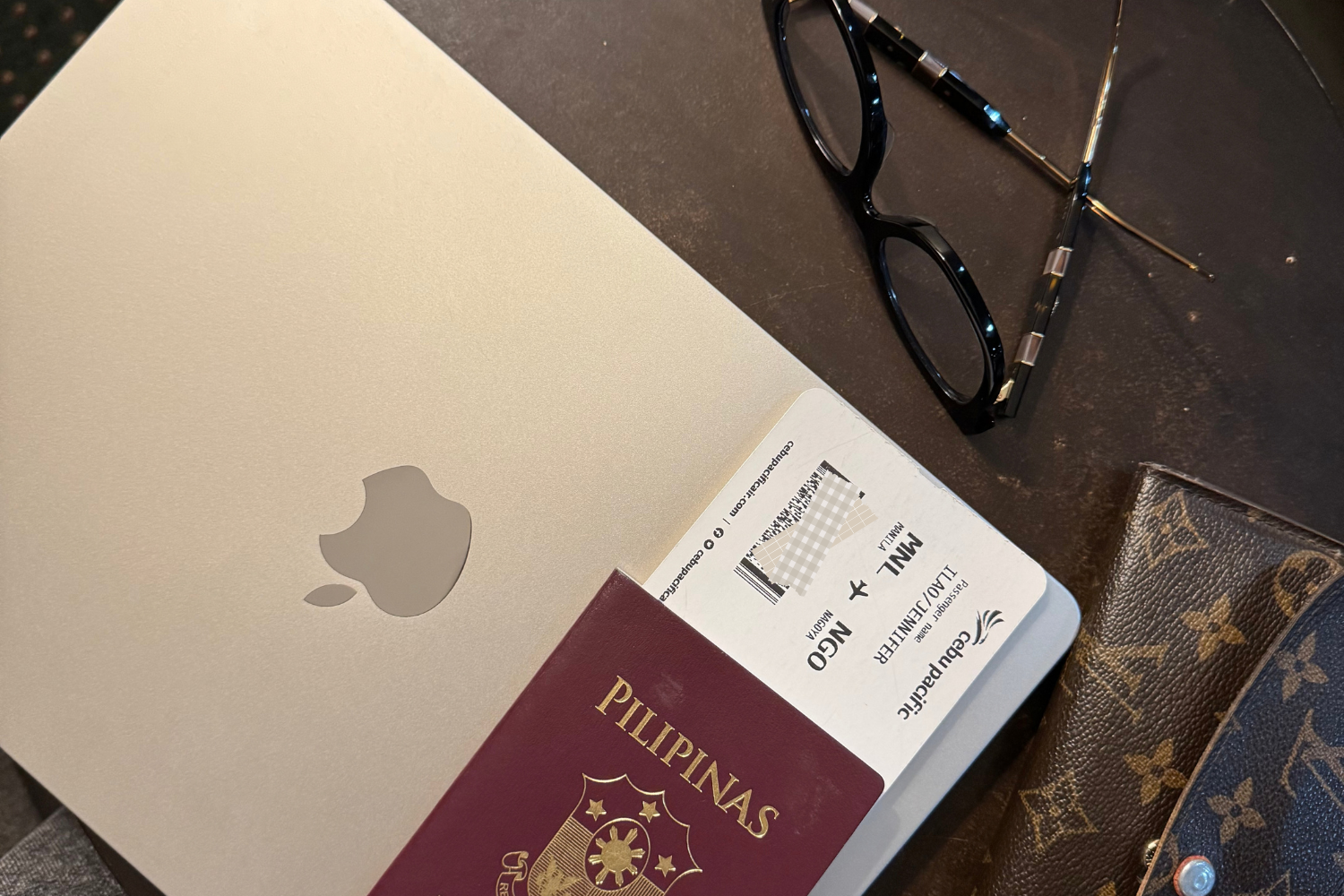
My Path Was Through Freelancing
When I talk about remote work, I'm speaking from the life I've built through freelancing.
Client work. Projects. Relationships that develop through doing the work well.
That is different from applying for a permanent remote position.
Both can give you flexibility. But they ask different things from you.
With freelancing, you also have to think about finding clients, setting expectations, managing your workload, and planning around income that can change.
It isn't an easier route just because you don't have to wait for a company to offer you a job.
But it is another route.
And if what you want is the ability to earn through work you can do remotely, I think it helps to understand the options beyond one type of listing.
You might want employment. You might prefer client work. You might explore contract roles while you build experience.
You don't have to choose the path that looks most exciting online.
Choose the one you can realistically build.
Getting Work and Keeping Work Are Different Skills
One thing I would pay more attention to as a beginner is what happens after someone says yes.
Finding an opportunity takes effort. Keeping a working relationship healthy takes effort too.
Can you understand what the client needs?
Can you communicate when something is unclear?
Can you follow through without someone having to keep checking on you?
These things sound ordinary. But they matter when you work with someone who isn't sitting beside you.
My work still needs attention when I'm traveling. A different location doesn't remove the deadlines or the responsibility.
And over time, I've learned to think beyond the next project.
I want a way of working I can maintain. One that supports my life and gives the client a reason to trust me with theirs.
That takes more than being good at getting an application noticed.
.png)
If I Were Starting in 2026, I Would Make My Work Easier to Understand
I have written before about building a skill before chasing the remote lifestyle.
I still believe that.
But having a skill and showing someone what you can do with it are different things.
“I know social media” leaves a lot for a potential client to figure out.
A sample content plan gives them something to look at. It can show who the content is for, what it is trying to achieve, and why you chose those ideas.
Even without client experience, you can create a practice project and clearly label it as a sample.
You aren't pretending you've done work you haven't done.
You're giving someone a clearer picture of how you think.
I would also make my applications more specific. Read the brief. Choose the sample that fits. Explain how my experience connects to the work being asked for.
Then I would pay attention to the response.
If nothing is moving, I would review the fit, the offer, and the proof I'm showing before simply sending more of the same.
My Thoughts
A quiet inbox can make you question yourself.
But it doesn't tell the whole story about your ability, or what you might build over time.
There are parts of this you can't control. Hiring decisions. Budgets. How many people apply.
There are also parts you can keep working on.
Your skills. Your samples. How clearly you explain your work. How you treat the opportunities you do get.
I don't think the answer is to keep refreshing job boards and hope the market suddenly becomes easier.
I think it is to keep building something you can bring to the table, while being thoughtful about where you offer it.
That is the part I would come back to.
A difficult search doesn't have to be the end of your remote-work story.
It can be the point where you start building your path more deliberately.
If you're unsure how to turn what you already know into a service you can offer, my guide Turn Your Skills Into Your First Freelance Income can help you work through that starting point.
You don't have to figure out your entire future today.
Start with work you can do well. Give someone a clear reason to trust you with it.
Then build from there.
.png)