A few years ago, the digital nomad dream looked very simple online.
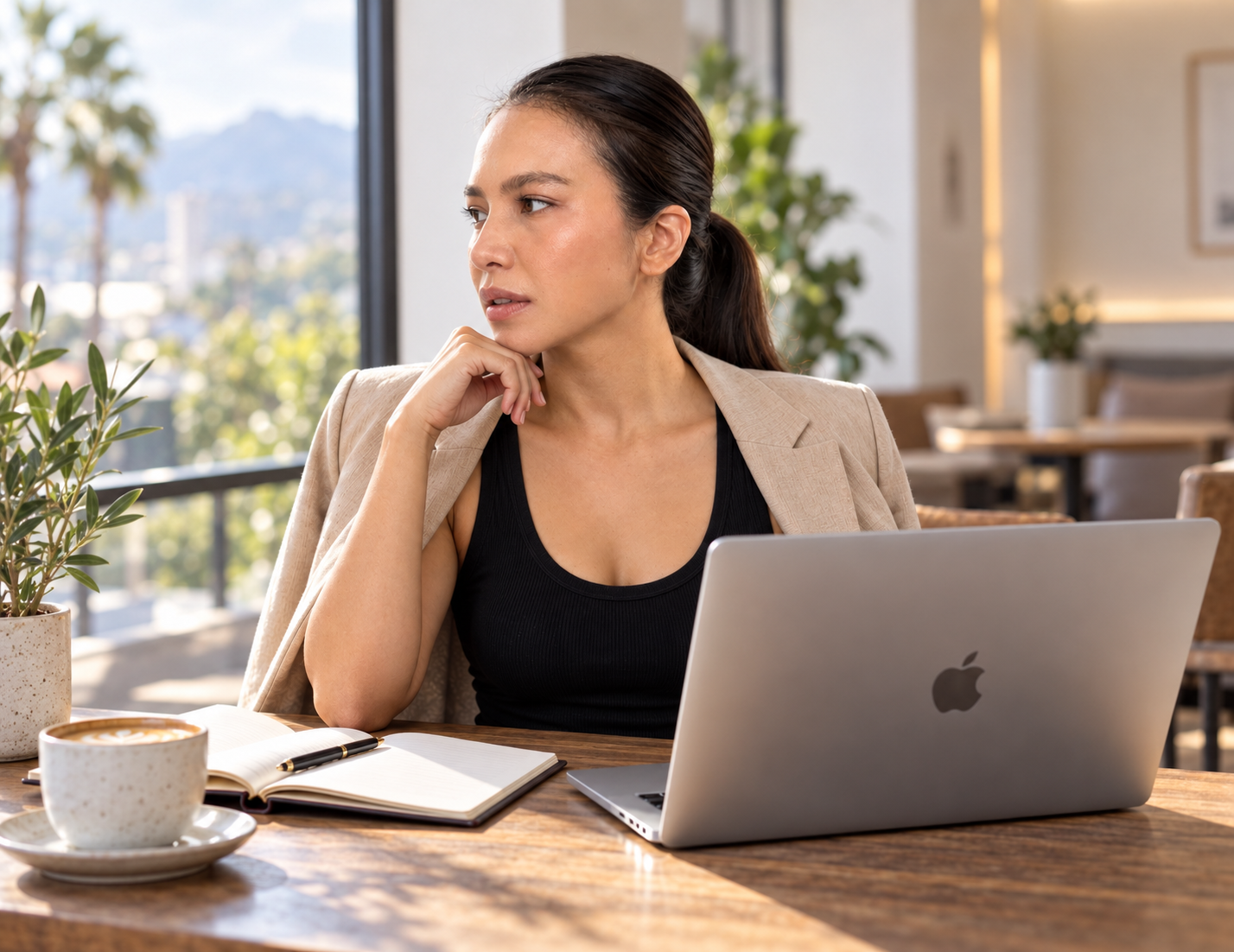
A laptop by the beach.
A morning coffee in Bali.
A quick reel showing someone working from a rooftop café in another country.
Freedom looked effortless.
And honestly, I understand why so many people wanted that life.
I did too.
The idea of choosing your own schedule, working remotely, traveling more, and escaping the exhausting cycle of traffic, office politics, and rushed mornings sounded exciting.
But I think something shifted.
Not because people stopped wanting freedom.
People still want remote work. They still want flexibility. They still want more control over how they spend their time.
But now, more people are realizing that remote work is not just about movement.
It’s about stability too.

Remote Work Feels Different in 2026
I’ve noticed that conversations around remote work feel more grounded now.
People are asking different questions.
Not: “How do I travel full-time next month?”
But: “How do I make this sustainable?”
That’s a completely different mindset.
The digital nomad lifestyle used to feel heavily focused on escape.
Now it feels more focused on building a real life that actually works long term.
Because the truth is, constantly moving around sounds exciting until you realize you still need routines, income stability, healthy habits, and structure behind the scenes.
Freedom without stability eventually starts to feel exhausting.

The Digital Nomad Lifestyle Is Less Romantic Than Before
I think social media played a huge role in romanticizing remote work.
We saw the destination.
The aesthetic cafés.
The beach clubs.
The luxury Airbnbs.
But people rarely showed the harder parts.
Working across time zones.
Trying to stay productive while constantly adjusting to new environments.
Feeling lonely in places that looked beautiful online.
Managing unstable freelance income.
Balancing work while everyone around you seems to be on vacation.
And honestly, burnout started catching up with people.
Not because remote work is bad.
But because many people entered the lifestyle chasing freedom without building foundations first.

Skills Matter More Than Ever Now
This is probably the biggest shift I’ve noticed.
People used to focus heavily on the lifestyle first.
Now more people are realizing that the real foundation is skill.
Because remote work is becoming more competitive.
Freelancing is more crowded.
Remote jobs are harder to land than they were a few years ago.
And the people who stay long term are usually the ones who built something sustainable behind the scenes.
A real skill.
A real system.
A real source of income.
Not just the aesthetic of working remotely.
I think this is why conversations around remote work feel more mature now.
People are less interested in pretending everything is easy.
And more interested in figuring out how to make this lifestyle actually work.
Slow Travel Is Becoming More Appealing
I also think people are getting tired of rushing.
Fast travel looks exciting online, but constantly packing, unpacking, catching flights, and moving every few days can wear you down quickly.
More remote workers are starting to slow down.
Staying longer in one place.
Building routines.
Finding favorite cafés.
Going to the same gym.
Cooking meals again.
Creating familiarity instead of constantly chasing novelty.
And honestly, I understand why.
There’s something calming about not needing to move all the time.

I Don’t Think the Dream Is Dead
I just think it evolved.
The digital nomad dream used to be heavily centered around escape.
Now it feels more intentional.
Less about proving freedom online. More about building a life that feels sustainable offline.
And personally, I think that’s healthier.
Because remote work becomes much more enjoyable when it’s supported by structure.
When your income is stable.
When your routines support you.
When you’re no longer trying to escape your life, but actually build one you enjoy returning to every day.
What I Realized About Remote Work
The longer I stay in this lifestyle, the more I realize this:
Remote work is not really about working from anywhere.
It’s about creating systems, habits, and skills that allow you to keep going wherever you are.
That’s the part social media rarely talks about.
The structure behind freedom.
And honestly, I think more people are finally starting to understand that now.
The digital nomad dream looks different now.
Not smaller. Not worse. Just more real.
And maybe that’s a good thing.
Because sustainable freedom will always last longer than temporary escape.
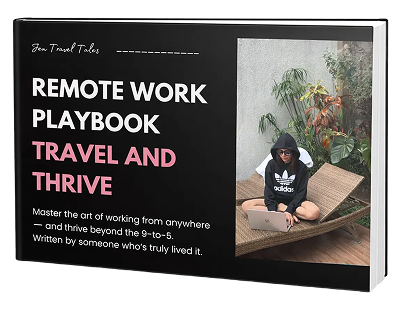
If you’re trying to build a more realistic remote work lifestyle, my ebook Remote Work Playbook: Travel & Thrive shares the mindset, structure, and systems that helped me create freedom in a way that actually feels sustainable.
Because remote work starts long before the flight does.
.png)