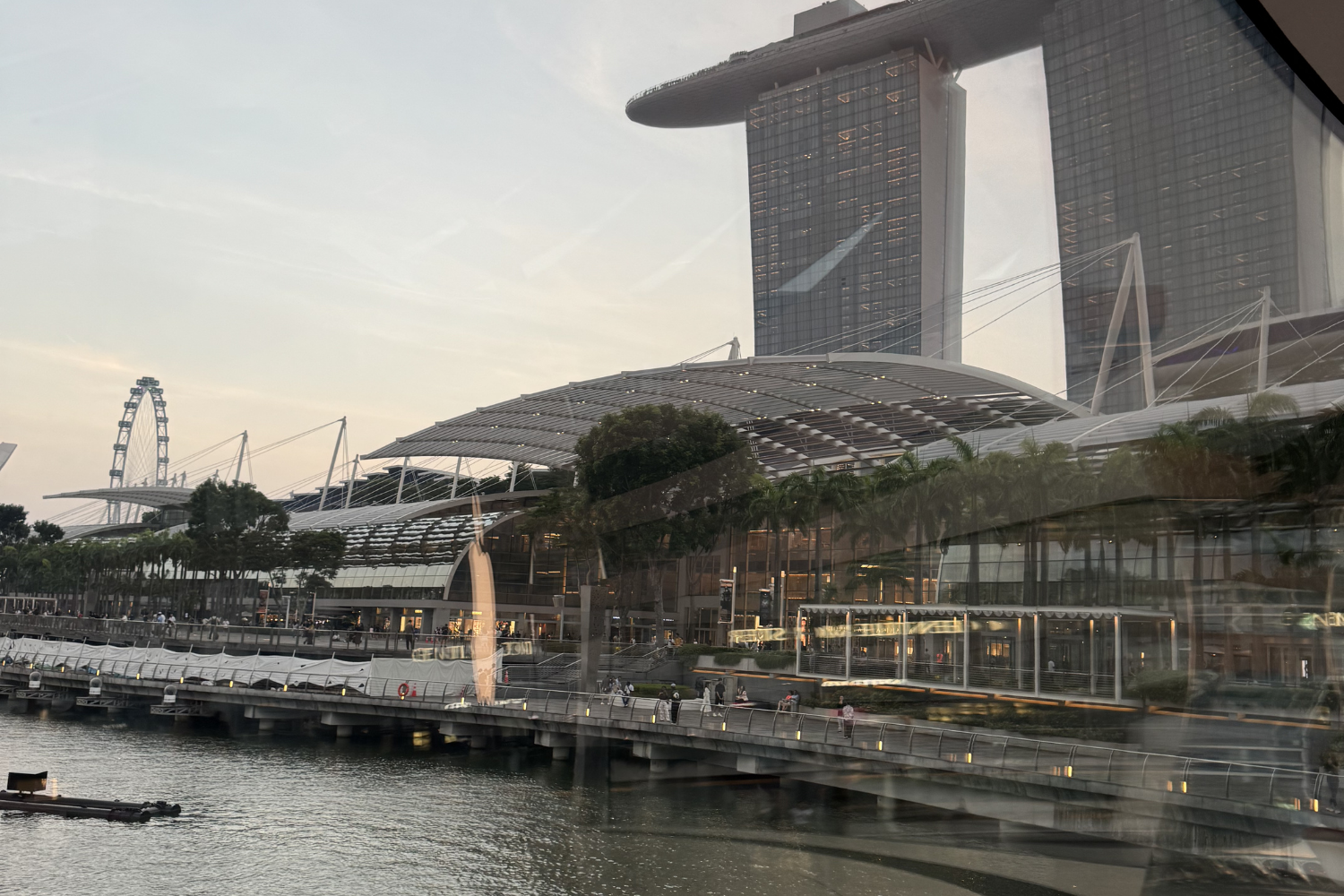
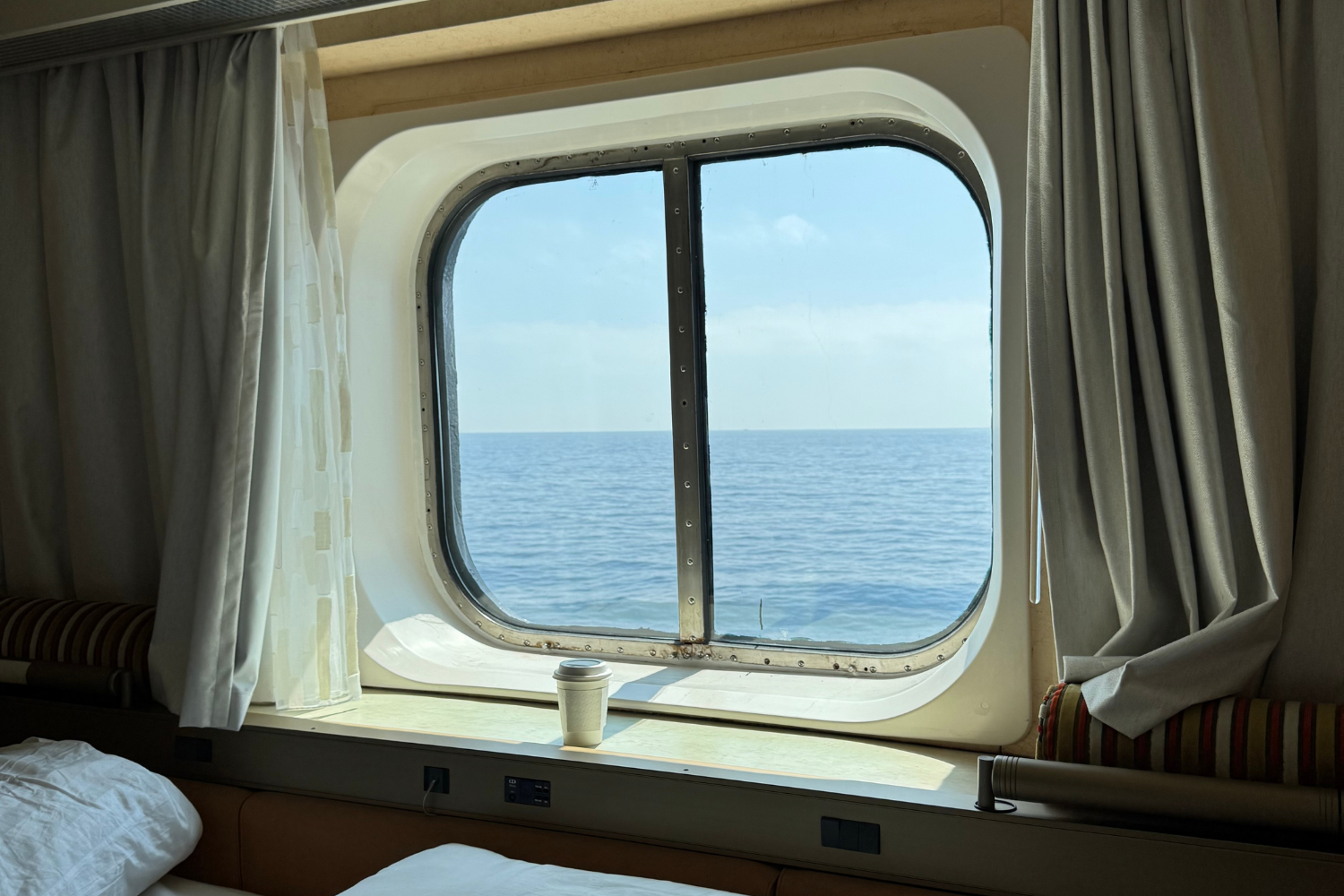
For a long time, travel felt like a checklist.
Land in a city.
See the famous landmarks.
Take the photos.
Move to the next destination.
Repeat.
Social media still makes travel look this way. One country after another. New cities every few days. Airports and itineraries stacked back to back.
But after years of traveling while managing freelance work, I started noticing something.
The trips I remember the most were never the rushed ones.
They were the slower ones.
The Kind of Travel That Stays With You
Some of my favorite travel memories were never part of a packed itinerary.
Drinking matcha in Japan while sitting quietly in a café long enough that the afternoon felt like it slowed down.
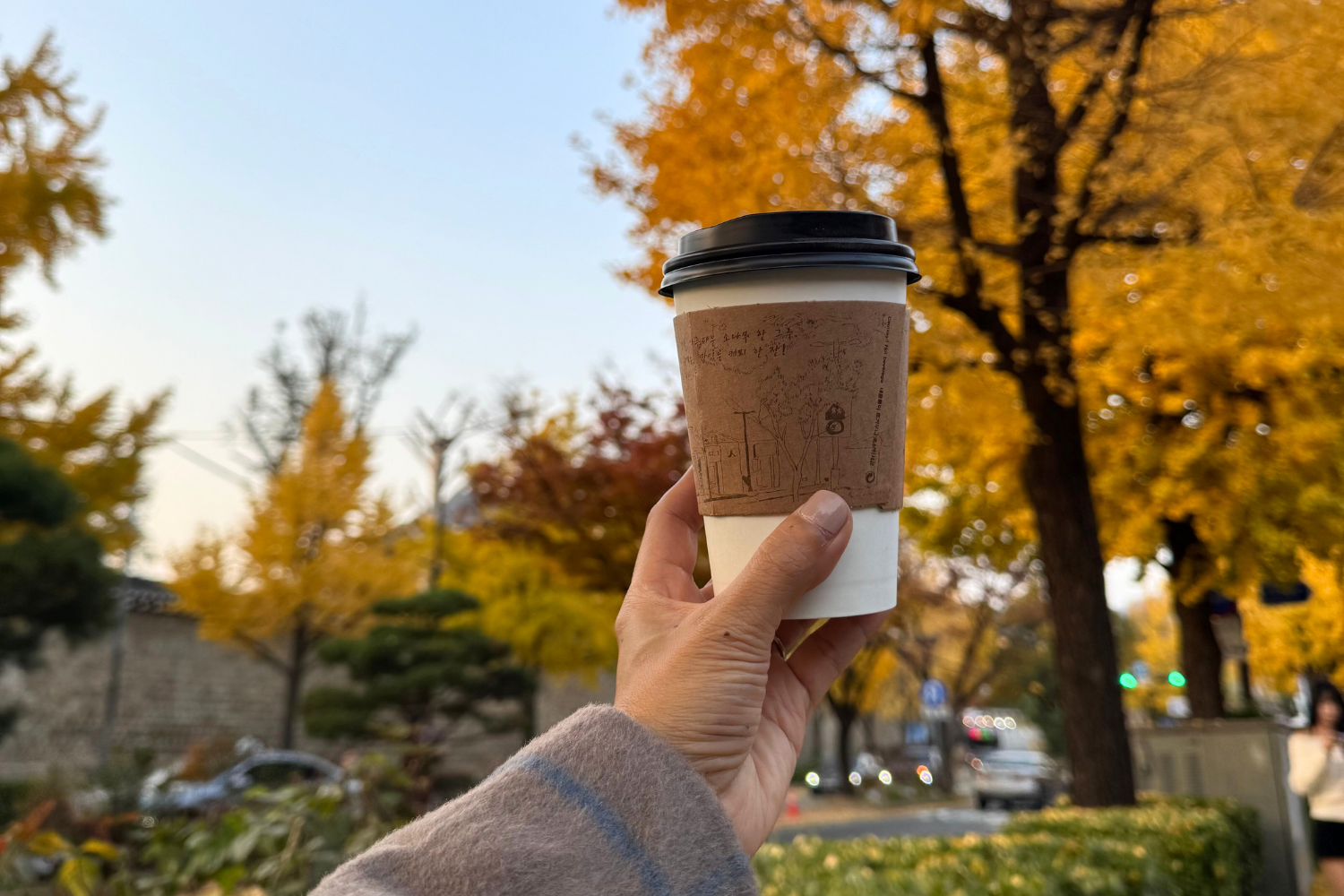
Walking through Seoul during fall, watching golden leaves scatter across the sidewalks while the city moved around me.
Grabbing a coffee at the airport before boarding and opening my laptop for a short work session, realizing that travel and work could exist in the same moment.
These moments are small, but they stay with you longer than rushing through five attractions in one day.
That is the essence of slow travel.

What Slow Travel Actually Means
Slow travel does not mean traveling slowly because you have to.
It means choosing depth over speed.
Instead of moving from city to city every few days, slow travel means staying longer in one place. You begin to build small routines that make the destination feel familiar.
When I stayed in Kyoto, mornings often began quietly. Coffee shops opened slowly, the streets felt calm, and there was time to simply observe the rhythm of the city.
In Bali, the days felt spacious. Work usually happened in the morning, and the afternoons naturally unfolded into exploring nearby cafés, local restaurants, temples, and rice terraces. I still remember how good the food was at Cretya in Ubud.
One evening, before our dinner reservation, the Balinese dance troupe invited the women at our table to dance with them. One by one, we stood up, trying to follow the choreography led by the troupe leader. It was spontaneous, joyful, and one of those moments that could never be planned on an itinerary.
In Niseko, winter mornings felt almost still. Snow outside the window, a quiet Airbnb, and time to balance work and travel without rushing anywhere. I remember hitting the slopes with my coach for the first time in the morning, grabbing an early dinner near the ski resort, then heading back to the Airbnb for a hot bath and green tea before settling into five hours of deep work that night.
One of my favorite parts of staying there was waking up to the view of Mount Yotei from the Airbnb. On clear mornings, when the clouds moved away, and the sun finally showed itself, the mountain revealed its full beauty. Moments like that felt rare, because Niseko was almost always snowing.
One day on the train to Sapporo, I had a conversation with an older woman sitting next to me. The train wasn’t crowded, and she noticed the two luggage pieces beside me. She asked where I came from and what life was like there. We spoke for a while, and she told me how winters in Sapporo can last nearly six months. It was such a simple interaction, but it made the trip feel even more special. Moments like that make you feel connected to a place in a way no itinerary ever could.
That’s what slow travel really does. It gives a destination space to unfold naturally.
Why More Travelers Are Choosing This Style
Many travelers are starting to realize that fast travel can become exhausting.
Constant packing and unpacking.
Frequent flights.
Lack of sleep.
Trying to keep up with work, but not feeling productive the way you want to be.
Calendar slowly becomes a mess because you keep shifting schedules just to fit in exploration.
Trying to see everything in a short visit.
Eventually, it starts to feel less like exploration and more like logistics.
Slow travel removes much of that pressure.
When you stay longer in one destination, you have time to explore neighborhoods beyond the tourist areas. You find your favorite café. You begin recognizing familiar streets. The destination stops feeling temporary.
Instead of simply visiting a place, you begin experiencing daily life there.
No rush.
Why Slow Travel Works Better for Remote Workers
For people who work while traveling, slow travel becomes even more important.
Remote work still requires structure.
Deadlines still exist.
Client messages still arrive.
Work still needs focused time plus your side gigs if you have.
Constantly moving between cities makes that balance harder.
Staying longer in one place creates rhythm.
Work in the morning.
Explore in the afternoon.
Keep up with your workouts or take a simple walk.
Make space for a little me time.
Rest without feeling rushed.
This is the kind of rhythm that makes travel sustainable while still managing a career.
When your days have structure, you can enjoy the destination without feeling like work is chasing you.
The Difference Between Visiting and Experiencing
One of the biggest shifts with slow travel is the way you experience a place.
Instead of rushing through attractions, you begin to notice everyday details.
The local café where you return more than once.
The quiet streets that tourists rarely explore.
The small routines that start forming during your stay.
These are often the moments that define a trip.
They are not always dramatic. But they are memorable.
Travel That Moves at Your Pace
Slow travel does not mean abandoning adventure.
It simply means traveling with intention.
Instead of asking how many places you can visit, you begin asking a different question.
How deeply can I experience this one place?
For many travelers, that shift changes everything.
Because the most meaningful journeys are rarely the fastest ones.
They are the ones that give you time to pause, observe, and truly absorb where you are.
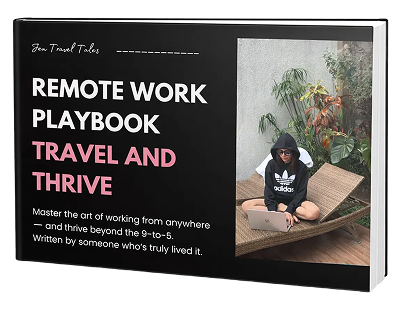
If you are building a lifestyle that blends work and travel, my ebook Remote Work Playbook: Travel & Thrive shares the mindset, systems, and practical strategies that helped me create a work-from-anywhere life that feels both productive and intentional.
Because travel becomes even more meaningful when your work and lifestyle move at a pace that actually feels sustainable.
.png)