Remote Work in 2026: Evolving, Not Ending
For the past few years, headlines have gone back and forth:
"Remote work is dying."
"Return to the office."
"Hybrid is the future."
Here's the truth: remote work isn't disappearing.
It's maturing. It's restructuring. It's becoming permanent, just in new forms.
While some companies are pushing employees back into office buildings, the broader data paints a very different picture:
- According to SHRM, remote work adoption in the U.S. increased from 17.9% in late 2022 to 23.7% in early 2025, signaling reliable, sustained growth.
- On LinkedIn, remote and hybrid roles represent only 20% of job listings, yet they earn 60% of all applications.
- Most workers don't necessarily want to be fully remote; but they do want autonomy, flexibility, and hybrid options.
1. Hybrid Work Becomes the Default (But With More Structure)
Hybrid isn't a temporary compromise in 2026, it's becoming the baseline expectation.
Companies that once resisted flexibility now understand the long-term benefits:
- Lower office costs
- Larger global talent pools
- Increased retention
- Better work-life balance for employees
2. Output Will Matter More Than Hours
The future of work is shifting from time spent → results delivered.
Employers want clarity, not just availability. Freelancers already know this, now corporate teams are catching up.
In 2026, you'll see more:
- KPI-driven workflows
- Milestone-based deliverables
- Asynchronous collaboration tools
- Less "time tracking," more "value tracking"
.png)
3. AI Will Shape (Not Replace) Remote Work
AI isn't coming for remote workers; it's coming to improve remote work.
Expect to see:
- AI assistants scheduling meetings & summarizing calls
- Better project management automation
- AI-powered upskilling
- Content, research, and admin tools becoming smarter
The workers who succeed in 2026 are the ones who collaborate with AI, not compete with it.
4. Remote Work Goes Global. Again.
Companies aren't just hiring local talent anymore. They're hiring worldwide.
This trend will accelerate because:
- Global hiring is more cost-effective
- Many roles don't require physical presence
- Skills trump geography
- Workers value location independence more than ever
5. Flexibility and Well-Being Become Non-Negotiable
Workers are no longer choosing companies based on salary alone. They want:
- Flexibility
- Mental health support
- Personalized schedules
- Wellness-centered culture
6. The "Remote Work Privilege" Mindset Will Grow
Here's the nuance people rarely talk about:
Remote work is expanding… and becoming more competitive.
With 30% of companies tightening remote policies, workers will need to:
- Upskill continuously
- Show measurable impact
- Communicate clearly
- Maintain remote readiness
- Build diverse income streams (freelance + side hustle + passive income)
The Remote Future Belongs to Those Who Prepare
If you want to work remotely in 2026 whether freelancing, hybrid, or full digital nomad, the key is staying adaptable, skilled, and intentional.
Remote freedom doesn't come from the job itself. It comes from how you build your habits, systems, and mindset.
For 9–5 workers dreaming of remote freedom…
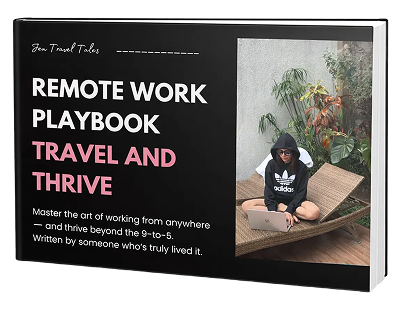
If you're in a traditional office job and craving more flexibility, clarity, and direction, my Remote Work Playbook: Travel & Thrive will guide your first steps.
.png)